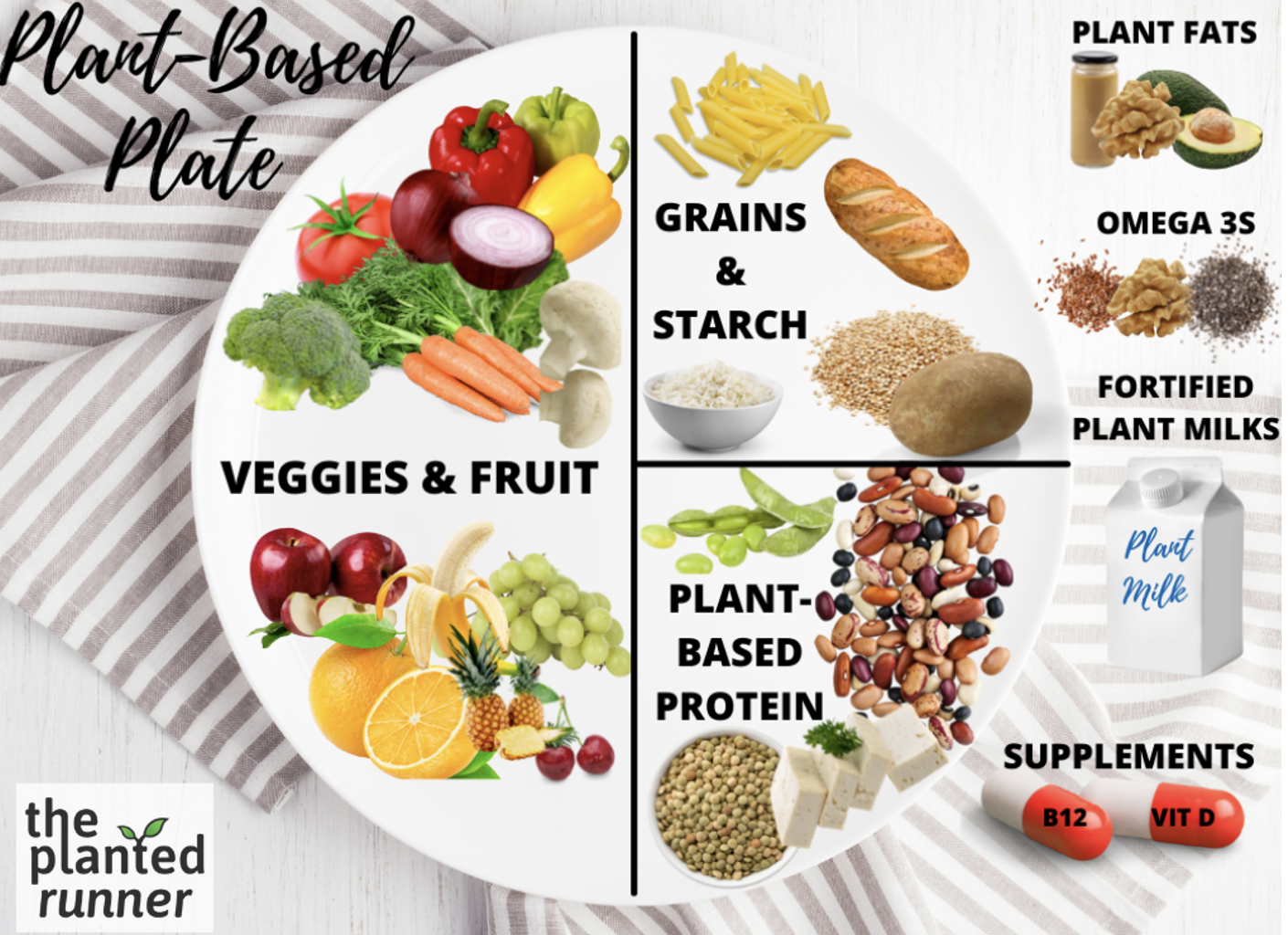
At first glance, the updated food pyramid appears more progressive than its predecessors. It nods toward plants, acknowledges diversity, and softens the old low-fat rhetoric. But beneath the polish, it still carries assumptions that can quietly undermine long-term health.
At PlantStruck, we take a different stance—one grounded in whole-food, plant-based nutrition, human physiology, and outcomes we actually want: longevity, metabolic health, kidney protection, and disease prevention.
1. Whole Grains Are Not the Problem—They’re the Foundation
Unlike earlier fear-based narratives around carbohydrates, whole grains are essential to human health when consumed in their intact, unrefined form.
Whole grains:
Provide slow-release energy
Improve insulin sensitivity
Feed the gut microbiome
Lower cardiovascular and all-cause mortality risk
The problem isn’t carbohydrates—it’s refined and processed carbohydrates stripped of fiber and structure. Whole grains like oats, barley, brown rice, quinoa, and intact wheat berries behave very differently in the body than flours and sugars.
A health-promoting dietary pattern does not restrict whole grains—it centers them.
2. Protein Should Be a Side Dish—Not the Main Event
Modern nutrition culture aggressively promotes high-protein diets, often far beyond physiological need. This is not benign.
Excess protein intake—especially from animal sources—has been associated with:
Increased renal hyperfiltration and long-term kidney strain
Elevated IGF-1 signaling linked to cancer risk
Increased acid load and calcium loss
Displacement of fiber-rich, protective plant foods
Humans require adequate protein—not excessive protein. In a whole-food, plant-based pattern, protein naturally appears as a supporting player, coming from legumes, whole grains, nuts, and seeds in balanced amounts that meet needs without overburdening the kidneys.
More protein is not better. Appropriate protein is better.
3. Oils and Butters Are Not Health Foods—They Are Processed Foods
One of the most misleading elements of modern nutrition guidance is the normalization of oils.
Oils—even those labeled “heart healthy”—are:
Highly refined
Calorically dense
Devoid of fiber
Extracted far from their original food matrix
Olives are whole foods. Olive oil is not.
Corn is a whole food. Corn oil is not.
At PlantStruck, we treat oils and butters for what they are: processed foods, not nutritional necessities. Whole-food fats—found naturally in nuts, seeds, avocados, and intact plants—deliver fats alongside fiber, minerals, and protective phytonutrients.
4. Ultra-Processed Foods Are Incompatible With Health—Period
No version of the food pyramid should make room for ultra-processed foods. Fortification does not undo damage.
Ultra-processed foods:
Disrupt appetite regulation
Promote inflammation
Alter the gut microbiome
Increase cardiometabolic and cognitive risk
Health is not built by “fitting” these foods into a calorie budget. It is built by removing them altogether.
5. Animal Products Are Not Required for Human Health
The idea that animal products are necessary for strength, bone health, or protein adequacy is outdated.
Well-planned whole-food, plant-based diets:
Meet all essential amino acid requirements
Support bone health through alkalinity and mineral balance
Reduce cardiovascular, cancer, and neurodegenerative risk
Improve longevity and quality of life
Animal products introduce saturated fat, cholesterol, heme iron, and inflammatory compounds that the body does not require—and often struggles to manage.
The PlantStruck Framework (Not a Pyramid)
Rather than a rigid hierarchy, we follow a living, functional model:
Whole grains and legumes as the foundation
Vegetables and fruits in abundance
Protein as a side dish, not a centerpiece
Fats from whole foods only
Zero ultra-processed foods
Zero animal products
Fiber, diversity, and simplicity as guiding principles
This is not restriction. This is alignment with biology.
The Bottom Line
The problem with the new food pyramid isn’t what it includes—it’s what it still tolerates and misprioritizes.
Health does not come from the moderation of harmful foods.
It comes from commitment to whole foods.
At PlantStruck, we don’t aim for “good enough.”
We aim for thriving—for people, for the planet, and for the future of health.
Eat whole. Eat plants. Eat with intention. 🌱
Stay Plant Struck,
Dr. Deb